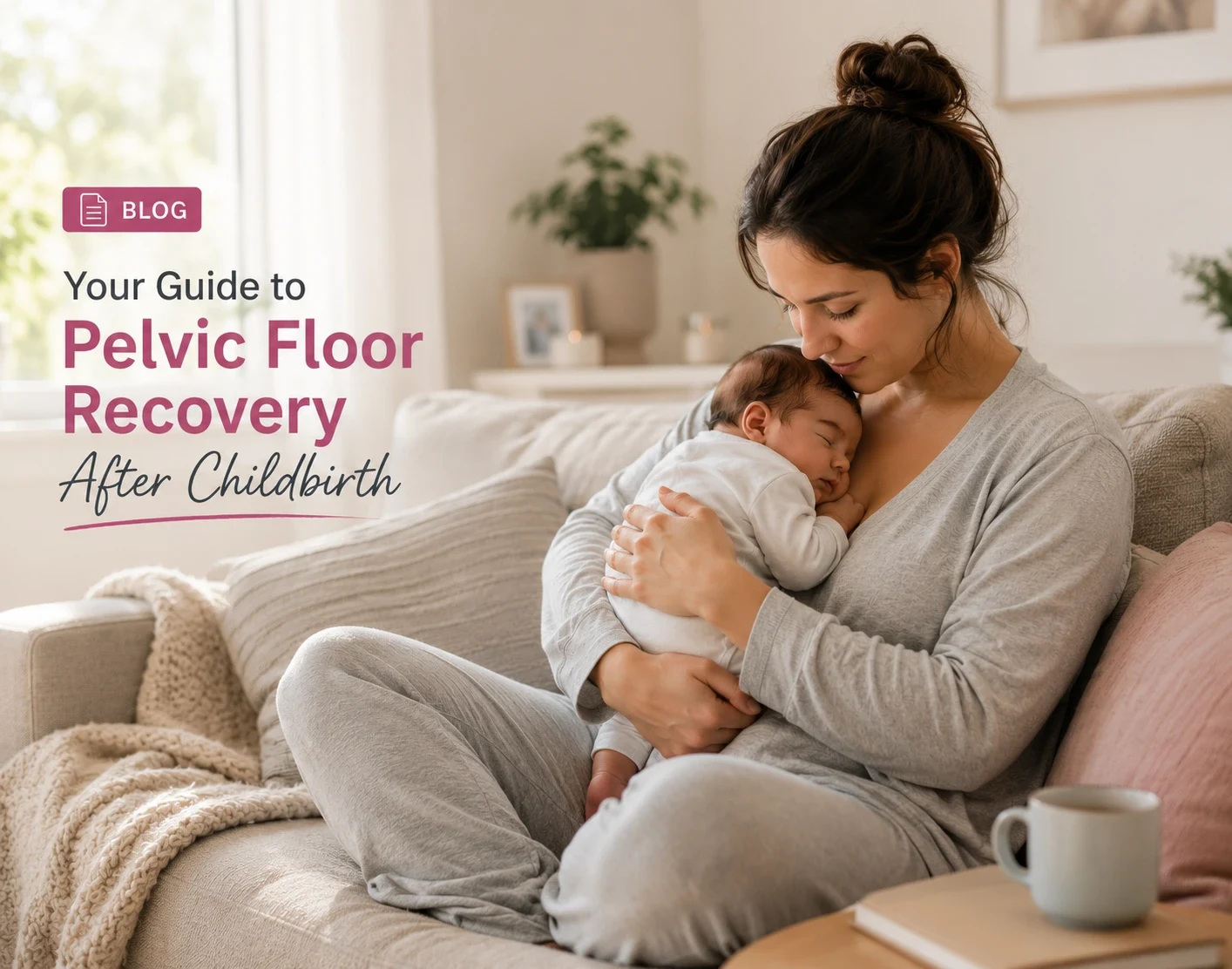
Blog
Your Guide to Pelvic Floor Recovery After Childbirth
Emily Carter · 20 July 2026 · 14 min read · 7,621 views
Bringing a new baby into the world is an incredible experience, but it also places significant demands on your body. During pregnancy and childbirth, your pelvic floor muscles stretch and work harder than ever before. As a result, many women notice changes such as bladder leakage, pelvic heaviness, discomfort, or reduced muscle strength after giving birth.
Although these changes are common, they should not simply be accepted as part of becoming a mother. With the right care, gentle exercises, healthy habits, and professional support when needed, many women experience significant improvement over time.
Whether you had a vaginal birth or a caesarean section, caring for your pelvic floor is an important part of your recovery. This guide explains what happens to your pelvic floor after childbirth, common symptoms to look out for, simple exercises you can start safely, and when to seek professional advice.
Remember, every woman's recovery is different. Try not to compare your progress with others. Healing takes time, and even small improvements are worth celebrating.
What Is the Pelvic Floor?
The pelvic floor is a group of muscles, ligaments, and connective tissues that form a supportive hammock across the bottom of your pelvis. These muscles help support your bladder, bowel, and uterus while also playing an important role in:
- Bladder control
- Bowel control
- Supporting your pelvic organs
- Core stability
- Sexual function
- Pregnancy and childbirth
During pregnancy, the growing weight of your baby places increasing pressure on these muscles. Hormonal changes also make the supporting tissues more flexible to prepare your body for birth. During a vaginal delivery, the pelvic floor stretches considerably to allow your baby to pass through the birth canal.
Even if you give birth by caesarean section, pregnancy itself still places months of pressure on the pelvic floor, which means these muscles can still become weakened or strained.
Why Does the Pelvic Floor Need Time to Recover?
Pregnancy and childbirth affect more than just your pelvic floor muscles. The ligaments, connective tissues, nerves, and surrounding muscles all work together to support your pelvis.
After childbirth, these tissues need time to heal naturally.
Several factors can influence how quickly you recover, including:
- Vaginal birth
- Assisted delivery using forceps or vacuum
- A long labour
- Perineal tears or an episiotomy
- Having a larger baby
- Multiple pregnancies
- Previous pelvic floor problems
- General health and fitness before pregnancy
Immediately after birth, it is normal for the pelvic floor to feel weak, stretched, swollen, or tender. Most women gradually improve over the following months, although some may benefit from additional support through pelvic floor physiotherapy.
Pelvic Floor Recovery Timeline
One of the questions new mothers ask most often is, "How long will it take to recover?"
There is no single answer because every pregnancy, birth, and recovery is different. However, this general timeline provides an idea of what many women experience.
| Recovery Stage | What You May Experience |
|---|---|
| First 2 Weeks | Swelling and soreness gradually improve. Gentle pelvic floor activation may begin if comfortable and approved by your healthcare provider. |
| Around 6 Weeks | Many women notice better bladder control and improved muscle awareness. Your postnatal check is a good opportunity to discuss any ongoing concerns. |
| Around 3 Months | Regular pelvic floor exercises often lead to noticeable improvements in strength, bladder control, and confidence. |
| 6–12 Months | Most healing takes place during this period. Some women may continue to improve with pelvic floor physiotherapy if symptoms persist. |
Remember that recovery is individual. Some women recover quickly, while others need more time. Needing extra support does not mean you have done anything wrong.
Vaginal Birth vs Caesarean Birth
Many women believe that pelvic floor recovery is only necessary after a vaginal birth. In reality, pregnancy itself places significant strain on the pelvic floor, regardless of how your baby is delivered.
Vaginal Birth
During a vaginal delivery, the pelvic floor muscles stretch significantly to allow your baby to pass through the birth canal. Some women may also experience:
- Perineal tears
- Episiotomy
- Temporary nerve stretching
- Muscle weakness
- Scar tissue
These changes often improve with time and appropriate rehabilitation.
Caesarean Birth
A caesarean section avoids vaginal delivery but does not completely protect the pelvic floor.
Throughout pregnancy, your pelvic floor supports the weight of your growing baby for many months. Hormonal changes also affect the muscles and connective tissues, meaning pelvic floor exercises are still beneficial for many women after a C-section.
Common Symptoms After Childbirth
Every woman's experience is different, but many notice changes during the first few weeks or months after giving birth.
Common symptoms include:
- Urine leakage when coughing, sneezing, or laughing
- Difficulty controlling wind
- A feeling of heaviness or pressure inside the vagina
- Pelvic pain or aching
- Lower back pain
- Pain during sex
- Reduced pelvic floor strength
- Constipation
- Difficulty emptying the bladder completely
These symptoms often improve as your body heals. However, if they continue or worsen, it is worth speaking with a healthcare professional.
If your pelvic floor feels unusually tight rather than weak, you may also find our guide on How to Relax Tight Pelvic Floor Muscles Naturally helpful.
Is It Normal to Leak Urine After Childbirth?
Bladder leakage is one of the most common concerns after pregnancy and childbirth.
Your pelvic floor muscles help support the bladder and keep the urethra closed. When these muscles become weakened or stretched, small amounts of urine may leak during everyday activities such as:
- Laughing
- Sneezing
- Coughing
- Running
- Jumping
- Lifting your baby
This is known as stress urinary incontinence.
Although it is common, it is not something you simply have to accept. Pelvic floor exercises and physiotherapy can often improve or even resolve symptoms over time.
When Can You Start Pelvic Floor Exercises?
For many women, gentle pelvic floor exercises can begin soon after childbirth, provided they feel comfortable and their healthcare provider has not advised otherwise.
Early movement helps:
- Improve blood circulation
- Support healing
- Reconnect with your pelvic floor muscles
- Gradually rebuild strength
- Improve bladder control
If you experienced significant tearing, surgery, or complications during birth, always follow the advice of your midwife, GP, or obstetrician before beginning an exercise programme.
Recovery is not a race. Gentle, consistent practice is usually more beneficial than doing too much too soon.
Exercise 1: Gentle Pelvic Floor Contractions
This is usually the first exercise recommended after childbirth.
How to do it
- Sit or lie in a comfortable position.
- Relax your shoulders and breathe normally.
- Imagine gently lifting the muscles around your vagina and anus.
- Hold the contraction for around 3 to 5 seconds.
- Relax completely before repeating.
Aim for 8 to 12 gentle contractions, three times each day.
Avoid holding your breath or tightening your stomach, buttocks, or thighs too much.
Exercise 2: Diaphragmatic Breathing
Deep breathing encourages relaxation while improving coordination between your diaphragm and pelvic floor.
How to do it
- Lie comfortably with your knees bent.
- Place one hand on your chest and the other on your stomach.
- Slowly breathe in through your nose.
- Allow your stomach to rise naturally.
- Breathe out gently through your mouth.
- Let your pelvic floor relax as you exhale.
Practising for five minutes each day may help improve muscle awareness while reducing unnecessary muscle tension.
For additional breathing and stretching exercises, read our guide on How to Relax Tight Pelvic Floor Muscles Naturally.
Exercise 3: Pelvic Tilts
Pelvic tilts gently strengthen your abdominal muscles while supporting pelvic floor recovery.
How to do it
- Lie on your back with your knees bent.
- Tighten your lower abdominal muscles gently.
- Flatten your lower back into the floor.
- Hold for a few seconds.
- Relax and repeat.
Repeat 10 to 15 times, moving slowly and comfortably.
This exercise may also help improve posture, strengthen your core, and reduce lower back discomfort during the postpartum period.
Walking and Returning to Exercise Safely
Walking is one of the safest and most effective ways to support your recovery after childbirth. It improves circulation, encourages gentle movement, and helps your body regain strength without placing excessive strain on your pelvic floor.
Start with short walks around your home or neighbourhood and gradually increase the distance as you feel stronger. There is no need to rush. If you notice increased bleeding, pelvic heaviness, pain, or excessive fatigue, reduce your activity level and allow yourself more time to heal.
High-impact activities such as running, jumping, or heavy gym workouts should only be resumed when your body is ready. If you have persistent pelvic floor symptoms, consider seeing a pelvic floor physiotherapist before returning to these activities.
What Activities Should You Avoid?
During the first few weeks after childbirth, your body is still healing. Avoid activities that place unnecessary pressure on your pelvic floor whenever possible.
These include:
- Heavy lifting
- High-impact exercise
- Running too soon
- Intense abdominal workouts
- Holding your breath while lifting
- Straining during bowel movements
Taking things slowly during the early weeks can support healing and reduce the risk of long-term pelvic floor problems.
Eat Well to Support Healing
Nutrition is an important part of postpartum recovery.
Your body needs protein, vitamins, minerals, and healthy fats to repair muscles and tissues after childbirth.
Aim to include:
- Lean protein such as chicken, fish, eggs, beans, or lentils
- Fresh fruit and vegetables
- Whole grains
- Healthy fats such as nuts, seeds, and olive oil
- Plenty of water throughout the day
If you are breastfeeding, staying well hydrated is especially important. Drinking enough fluids may also help prevent constipation, which can place extra pressure on your pelvic floor.
When Should You Seek Immediate Medical Advice?
Although some discomfort is expected after childbirth, certain symptoms require prompt medical attention.
Contact your GP, midwife, maternity unit, or seek urgent medical care if you experience:
- Heavy bleeding that suddenly becomes worse
- Fever or chills
- Increasing pelvic or abdominal pain
- A foul-smelling vaginal discharge
- Difficulty emptying your bladder
- Complete loss of bowel control
- Signs of infection around stitches or wounds
- A painful swollen leg, chest pain, or shortness of breath
These symptoms may indicate a complication that should be assessed without delay.
When Should You See a Pelvic Floor Physiotherapist?
Many women recover well with time and gentle exercises, but professional support can be extremely beneficial if symptoms continue.
Consider seeing a pelvic floor physiotherapist if you experience:
- Urine leakage that continues beyond the early weeks
- Pelvic pain that is not improving
- A feeling of heaviness or a vaginal bulge
- Pain during sex
- Difficulty controlling your bowels
- Ongoing lower back or pelvic pain
A pelvic floor physiotherapist can assess your muscles, identify the underlying cause of your symptoms, and create a personalised rehabilitation programme.
Early treatment often leads to better outcomes and may help prevent symptoms from becoming long-term problems.
Can Vaginal Dilators Help After Childbirth?
Some women experience scar tissue, muscle tightness, or pain during intercourse after childbirth, particularly following perineal tears, an episiotomy, or pelvic floor injury.
When recommended by a healthcare professional, medical-grade vaginal dilators may help gently stretch the vaginal tissues, improve flexibility, and reduce discomfort over time.
Progress should always be gradual, using a water-based lubricant and only moving to a larger size when comfortable.
If you would like to learn more, read our Step-by-Step Guide to Using Vaginal Dilators, where we explain how to use them safely and confidently.
Can a Pelvic Floor Wand Help?
For some women, pelvic floor muscles remain overly tight after childbirth, leading to discomfort or pain.
In these situations, a medical-grade silicone pelvic floor wand may be recommended by a pelvic health physiotherapist to help release trigger points and encourage muscle relaxation.
It is not suitable for everyone and should be introduced gradually as part of an individual treatment plan.
If you are considering one, our guide How to Use a Pelvic Floor Wand Safely explains when it may be appropriate and how to use it correctly.
Looking After Your Mental Wellbeing
The weeks after childbirth can be both joyful and challenging. Hormonal changes, lack of sleep, physical recovery, and caring for a newborn can all affect your emotional wellbeing.
It is easy to become focused on caring for your new baby, but your own recovery deserves attention too. Even setting aside a few minutes each day for gentle movement, deep breathing, or simply resting can make a meaningful difference over time.
If you experience persistent sadness, anxiety, hopelessness, or difficulty coping, speak with your GP, midwife, or health visitor. Looking after your mental health is an important part of your recovery.
Myth vs Fact
Myth
Urinary leakage after childbirth is normal and cannot be treated.
Fact
Bladder leakage is common after pregnancy and childbirth, but it is not something you simply have to live with. Pelvic floor exercises, lifestyle changes, and pelvic floor physiotherapy can often improve or resolve symptoms.
Myth
Only women who have a vaginal birth need pelvic floor exercises.
Fact
Pregnancy itself places considerable pressure on the pelvic floor. Women who have a caesarean birth can also benefit from pelvic floor rehabilitation.
Myth
The more pelvic floor exercises you do, the better.
Fact
Doing too many contractions or using excessive force may lead to muscle fatigue or increased muscle tension. Correct technique and consistency are usually more beneficial than performing a large number of repetitions.
Frequently Asked Questions
How long does pelvic floor recovery take after childbirth?
Many women notice improvement within the first few months, while full recovery may take six to twelve months. Recovery depends on factors such as pregnancy, labour, delivery, and your overall health.
Is it normal to have pelvic pain after giving birth?
Mild discomfort is common during the early weeks. However, persistent or severe pain should always be assessed by a healthcare professional.
Can I do pelvic floor exercises every day?
Yes. Gentle daily pelvic floor exercises are generally recommended if they are comfortable and approved by your healthcare provider. Consistency is usually more important than intensity.
Can I overdo pelvic floor exercises?
Yes. Performing too many contractions or using excessive force may lead to muscle fatigue or increased muscle tension. If your symptoms worsen, reduce the intensity and seek advice from a pelvic floor physiotherapist.
Will urinary leakage improve?
Many women notice gradual improvement as their pelvic floor muscles become stronger. If symptoms continue beyond the early recovery period, pelvic floor physiotherapy may help.
Can I use vaginal dilators after childbirth?
Some women benefit from vaginal dilators when recovering from painful scar tissue or discomfort during intercourse. They should only be used when recommended by a healthcare professional.
Final Thoughts
Recovering your pelvic floor after childbirth is a journey that takes patience, consistency, and self-care. Every woman heals at her own pace, and there is no single timeline that applies to everyone.
Gentle pelvic floor exercises, regular walking, healthy nutrition, and seeking professional support when needed can all play an important role in your recovery. Small daily efforts often lead to meaningful improvements over time.
Remember, looking after yourself is not selfish it is an important part of caring for your family. A healthy and confident mother is better able to enjoy life with her new baby.
If you continue to experience bladder leakage, pelvic pain, or discomfort months after childbirth, speak with your GP or a qualified pelvic floor physiotherapist. Effective treatments are available, and you do not have to manage these symptoms alone.
Related Articles
- How to Relax Tight Pelvic Floor Muscles Naturally
- Simple Exercises to Strengthen Your Core and Pelvic Floor
- What Is Vaginismus? Symptoms, Causes & Treatment
- Pelvic Floor Dysfunction: Symptoms, Causes & Treatment Guide
- How to Use a Pelvic Floor Wand Safely
- How to Use a Vaginal Dilator: Step-by-Step Guide
Suggestions & Comments
Share your thoughts about this article. Comments are reviewed before they appear publicly.
Loading comments…