Blog
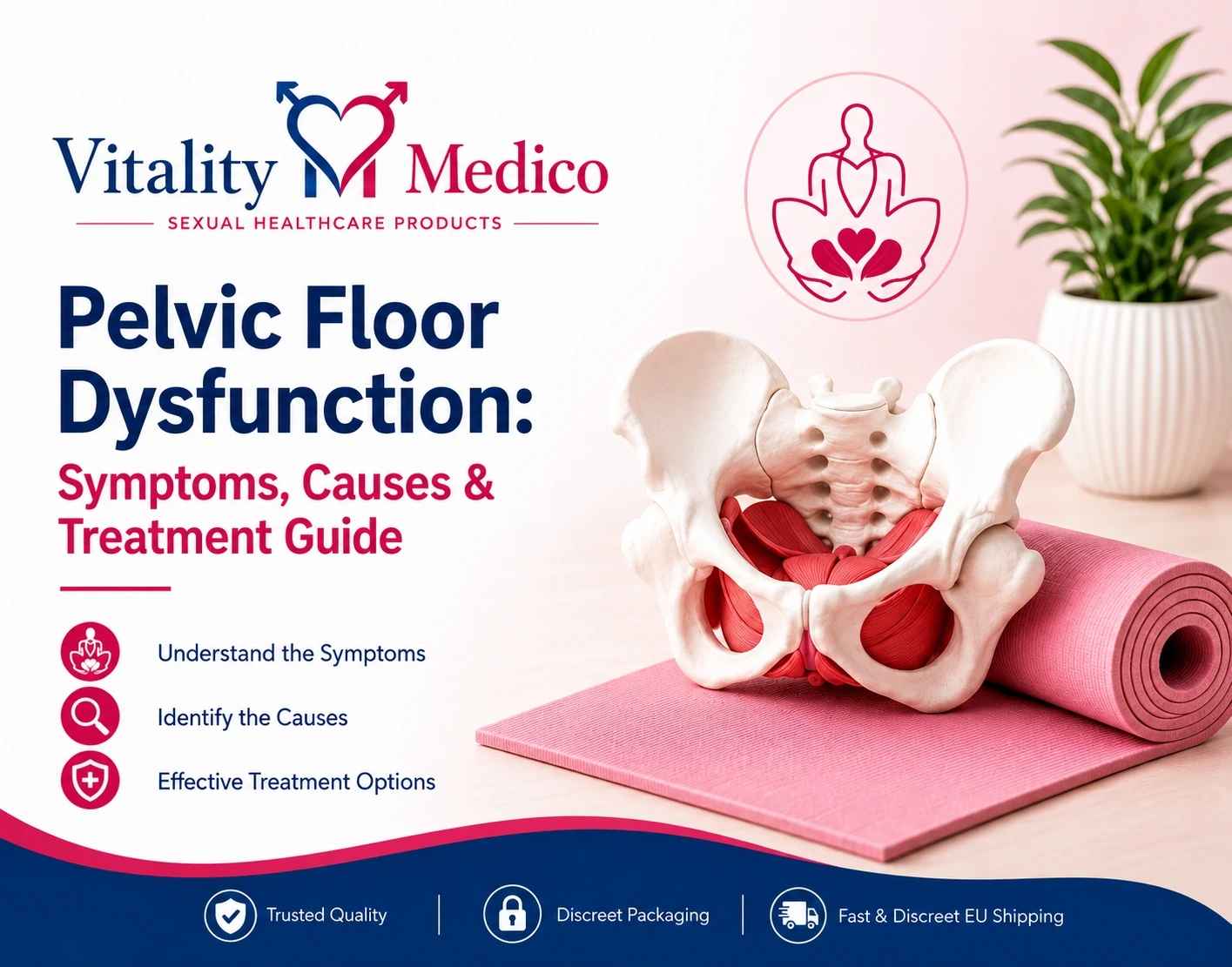
Pelvic Floor Dysfunction: Symptoms, Causes & Treatment Guide
Emily Carter · 10 June 2026 · 5 min read · 4,033 views
Pelvic floor dysfunction occurs when the muscles that support your bladder, bowel, and pelvic organs become too weak, too tight, or fail to work together properly. It can affect both women and men and may lead to bladder problems, bowel issues, pelvic pain, and discomfort during everyday activities.
Although many people assume these symptoms are a normal part of ageing, pregnancy, or childbirth, they are often treatable with the right care and lifestyle changes.
Pelvic Floor Dysfunction at a Glance
-
Can affect both women and men
-
Common symptoms include urine leakage, constipation, pelvic pain, and pressure
-
May develop after pregnancy, surgery, heavy lifting, menopause, or chronic constipation
-
Often improves with pelvic floor physiotherapy, exercises, and healthy lifestyle habits
What Is the Pelvic Floor?
The pelvic floor is a group of muscles and connective tissues that form the base of the pelvis. These muscles support the bladder, bowel, uterus, or prostate while helping with bladder control, bowel movements, sexual function, and core stability.
For the pelvic floor to work properly, the muscles need to contract and relax at the right time. When they become weak, tight, or poorly coordinated, pelvic floor dysfunction can develop.
Common Symptoms
Symptoms vary from person to person but commonly include:
Bladder Problems
-
Urine leakage when coughing, sneezing, laughing, or exercising
-
Frequent or urgent urination
-
Difficulty emptying the bladder
-
Weak urine flow
Bowel Problems
-
Constipation
-
Difficulty passing stool
-
Feeling that the bowel does not empty completely
-
Leakage of stool or gas
Pain and Discomfort
-
Pelvic pressure or heaviness
-
Pain in the pelvis, lower back, hips, groin, or tailbone
-
Pain while sitting
-
Pain during or after intercourse
-
Painful ejaculation in men
-
Pain after exercise
-
Painful menstrual cramps that become worse because of muscle tension
-
A feeling or visible bulge caused by pelvic organ prolapse
Who Can Develop Pelvic Floor Dysfunction?
Anyone with a pelvis can develop pelvic floor dysfunction. However, the risk may be higher if you have:
-
Pregnancy or childbirth
-
Menopause
-
Prostate surgery
-
Chronic constipation
-
Heavy lifting at work or in the gym
-
High impact sports
-
Chronic coughing
-
Obesity
-
Previous pelvic surgery
-
Chronic pelvic pain
Although it is often linked to pregnancy, pelvic floor dysfunction also affects many men, particularly after prostate surgery or long-term pelvic muscle tension.
What Causes Pelvic Floor Dysfunction?
Several factors can affect pelvic floor muscle function, including:
-
Pregnancy and childbirth
-
Pelvic surgery
-
Muscle injury
-
Long-term constipation
-
Hormonal changes
-
Heavy lifting
-
Chronic coughing
-
Stress and muscle tension
-
Nerve injury
Sometimes several factors contribute to the condition.
How Is It Diagnosed?
Diagnosis usually begins with a discussion about your symptoms and medical history. A healthcare professional may perform a physical examination and assess pelvic floor muscle strength, flexibility, and coordination. Additional tests may be recommended if another medical condition is suspected.
Treatment Options
Treatment depends on the underlying cause, but pelvic floor physiotherapy is often considered one of the most effective treatments for muscle-related pelvic floor dysfunction.
Your treatment plan may include:
-
Pelvic floor exercises
-
Relaxation and breathing techniques
-
Manual therapy
-
Stretching
-
Lifestyle and bladder habit education
-
Constipation management
-
Home therapy tools, such as pelvic floor wands or vaginal dilators, when recommended by a healthcare professional
What Happens If It's Left Untreated?
Without treatment, symptoms may gradually become worse.
Possible complications include:
-
Increased urinary leakage
-
Ongoing constipation
-
Worsening pelvic pain
-
Progression of pelvic organ prolapse
-
Sexual discomfort
-
Reduced quality of life
Early treatment often provides better long-term results.
How Long Does Recovery Take?
Recovery is different for everyone.
Some people notice improvements within a few weeks, while others require several months of treatment. Recovery depends on the cause of the condition, symptom severity, and how consistently treatment recommendations are followed.
Everyday Habits That May Help
Simple lifestyle changes can support recovery:
-
Stay physically active.
-
Maintain a healthy weight.
-
Drink enough water.
-
Eat a fibre rich diet.
-
Avoid straining during bowel movements.
-
Use proper lifting techniques.
-
Practise breathing and relaxation exercises.
Frequently Asked Questions
Can pelvic floor dysfunction go away on its own?
Mild symptoms may improve, but many people benefit from professional assessment and treatment.
Can men develop pelvic floor dysfunction?
Yes. Men can experience pelvic floor dysfunction, particularly after prostate surgery or with chronic pelvic pain.
Can pelvic floor exercises make symptoms worse?
If the pelvic floor muscles are overly tight, strengthening exercises alone may worsen symptoms. A proper assessment helps identify the right treatment approach.
Does walking help pelvic floor dysfunction?
Gentle walking may support overall health, but it should be combined with an individual treatment plan if symptoms persist.
Can pelvic floor dysfunction cause hip or lower back pain?
Yes. Tight or poorly functioning pelvic floor muscles can sometimes contribute to pain in the hips, lower back, groin, or tailbone.
Is pelvic floor dysfunction permanent?
Not usually. Many people experience significant improvement with appropriate treatment and healthy lifestyle changes.
Final Thoughts
Pelvic floor dysfunction is common, but it should never be dismissed as something you simply have to live with. Symptoms such as bladder leakage, constipation, pelvic pain, or discomfort during intimacy often improve when the underlying cause is identified and treated.
With the right combination of pelvic floor therapy, exercises, lifestyle changes, and, where appropriate, home therapy tools, many people experience meaningful improvements in their symptoms and quality of life.
Related Guides
-
What Is a Pelvic Floor Wand?
-
How to Use a Pelvic Floor Wand Safely
-
Pelvic Floor Wands
-
Vaginal Dilator Guide
Suggestions & Comments
Share your thoughts about this article. Comments are reviewed before they appear publicly.
Loading comments…