Blog
How to Use a Pelvic Floor Wand Safely
Dr Emily Carter · 28 June 2026 · 8 min read · 1,841 views
Learning how to use a pelvic floor wand correctly can help reduce muscle tension, improve comfort, and support pelvic floor therapy at home. Whether you're recovering after childbirth, managing pelvic pain, experiencing painful intercourse, or dealing with tight pelvic floor muscles, using the correct technique is essential for safe and effective treatment.
Pelvic floor muscle tension can affect everyday activities, including sitting, exercising, using the bathroom, and intimacy. While pelvic floor physical therapy is considered one of the most effective treatments for muscle related pelvic pain, many healthcare professionals also recommend home therapy between appointments. A pelvic floor wand is one of the tools that may help support recovery by gently releasing muscle tension and trigger points.
Research suggests that pelvic floor physical therapy, together with appropriate home exercises and self care, can improve symptoms for many people with pelvic floor dysfunction. A pelvic floor wand should be used as part of an individual treatment plan rather than as a replacement for professional care.
What Is the Pelvic Floor?
The pelvic floor is a group of muscles and connective tissues that support the bladder, bowel, uterus, or prostate. These muscles also help with bladder control, bowel movements, sexual function, and core stability.
Like muscles anywhere else in the body, the pelvic floor can become overly tight or develop sensitive trigger points. Tight muscles may cause discomfort, pelvic pain, pain during intercourse, or difficulty relaxing the muscles completely.
Common causes include:
-
Childbirth
-
Pelvic surgery
-
Heavy lifting
-
Chronic constipation
-
Long-term stress
-
Endometriosis
-
Sports injuries
-
Previous pelvic trauma
Because pelvic pain has many different causes, a proper assessment by a pelvic health professional is always recommended before starting internal treatment.
What Is a Pelvic Floor Wand?
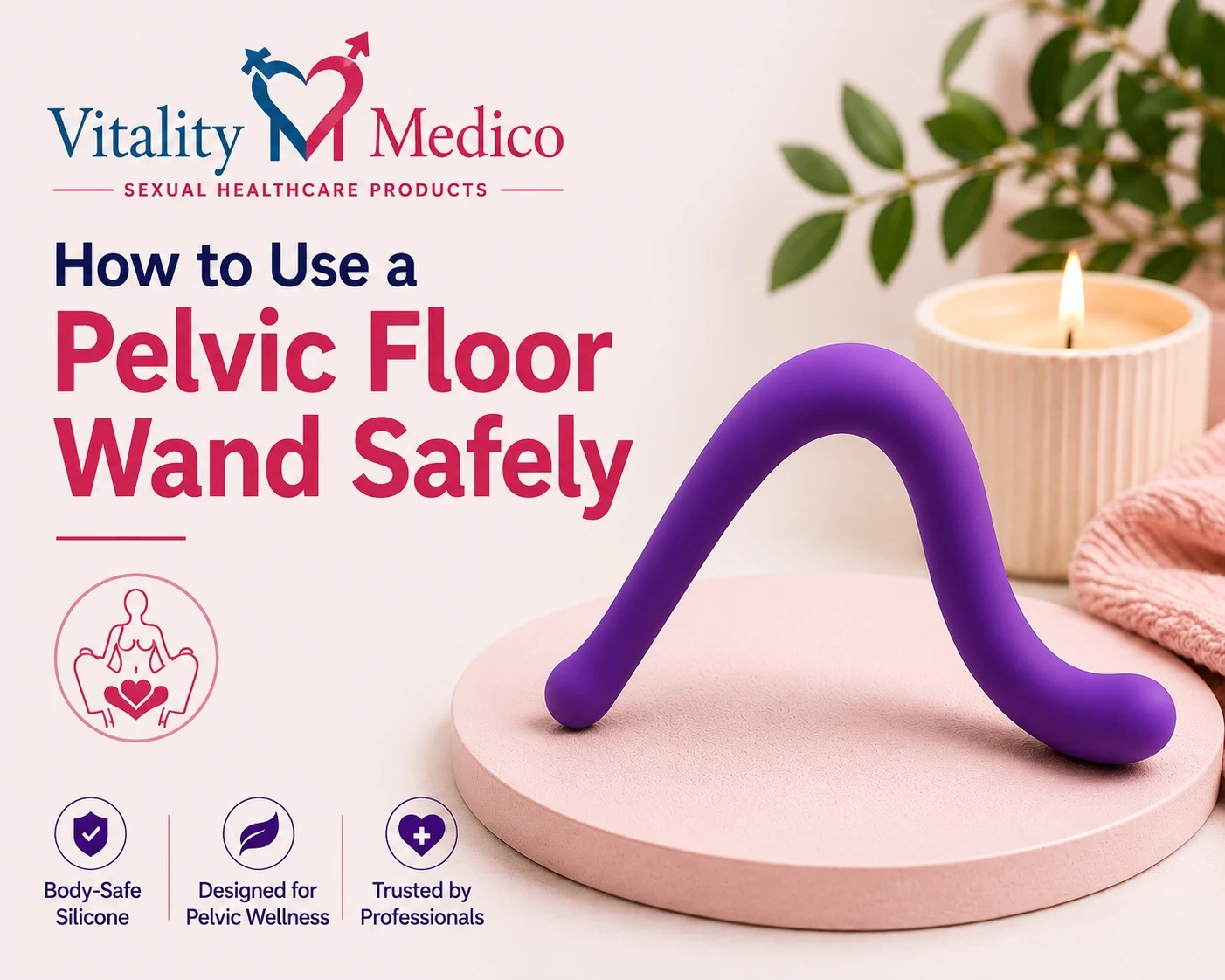
A pelvic floor wand is a specially designed therapy tool that helps reach muscles inside the pelvis that are difficult to access using your fingers.
Most pelvic floor wands are made from smooth medical grade silicone and have an ergonomic curved shape that allows gentle access to different pelvic floor muscles.
The purpose of the wand is not to force muscles to relax. Instead, it applies light, sustained pressure to trigger points and areas of muscle tension, helping the muscles gradually release over time.
Who Can Benefit From a Pelvic Floor Wand?
A pelvic floor wand may be recommended for people who experience:
-
Tight pelvic floor muscles
-
Muscle trigger points
-
Pain during intercourse
-
Pelvic muscle spasms
-
Chronic pelvic muscle discomfort
-
Recovery after childbirth when approved by a healthcare provider
-
Certain types of healed scar tissue
Not every type of pelvic pain is related to muscle tension. If your symptoms are caused by infection, inflammation, nerve disorders, or another medical condition, professional treatment is essential.
Benefits of Using a Pelvic Floor Wand
When used correctly, a pelvic floor wand may help:
-
Reduce muscle tension
-
Release trigger points
-
Improve flexibility
-
Encourage healthy blood flow
-
Support pelvic floor physical therapy
-
Improve comfort during intimacy
-
Help maintain progress between physiotherapy appointments
Results vary from person to person. Some people notice gradual improvement within a few weeks, while others may require a longer treatment programme.
When You Should Not Use a Pelvic Floor Wand
Avoid using a pelvic floor wand if:
-
You are pregnant unless your healthcare provider recommends it.
-
You have an active urinary tract infection.
-
You have a vaginal infection.
-
You have unexplained pelvic pain.
-
You have active vaginal bleeding.
-
You recently had pelvic surgery and have not been medically cleared.
-
You have severe pelvic organ prolapse unless advised by a specialist.
-
Insertion causes severe pain.
If you are uncertain, consult a pelvic health physiotherapist before beginning treatment.
Preparing Before You Begin
Before every session:
-
Wash your hands thoroughly.
-
Clean the pelvic floor wand with warm water and mild, fragrance free soap.
-
Dry it completely.
-
Apply a generous amount of water based lubricant to both the wand and the vaginal opening.
-
Find a quiet, comfortable place where you can fully relax.
Many people feel most comfortable lying on their back with their knees bent and supported by pillows, although lying on one side may also work well.
Take several slow, deep breaths before starting. Relaxing your body helps the pelvic floor muscles soften naturally.
How to Use a Pelvic Floor Wand
Step 1: Insert the Wand Slowly
Hold the wand comfortably and gently place the tip at the vaginal opening.
Insert it slowly using steady movements. Never force the wand into place. If insertion is painful, stop and allow your muscles to relax before trying again later.
Step 2: Find Tight Muscles
Many pelvic health professionals use the "clock face" method.
Imagine the vaginal opening as the centre of a clock.
Move the wand slowly around the muscles until you find an area that feels tighter or more tender than the surrounding tissue.
These tender areas are often called trigger points.
Step 3: Apply Gentle Pressure
Apply light, steady pressure to the tender muscle.
The sensation should feel like a mild stretch or gentle tenderness, not sharp pain.
If you begin holding your breath or your muscles tighten further, reduce the pressure.
Step 4: Hold the Pressure
Maintain gentle pressure for 30 to 90 seconds while continuing to breathe slowly.
Many people notice the muscle gradually relaxing during this time.
Do not repeatedly poke or massage the same area.
Step 5: Move to Another Area
Once the muscle begins to relax, slowly move to another tender point.
Treat one area at a time without rushing.
Avoid spending excessive time on a single muscle.
Step 6: Finish the Session
Remove the wand slowly and comfortably.
Wash it thoroughly with warm water and mild soap before drying and storing it in a clean pouch.
Most treatment sessions last around 10 to 15 minutes.
Many pelvic health physiotherapists recommend using a pelvic floor wand two to four times each week, although your individual treatment plan may differ.
Common Mistakes to Avoid
To get the best results, avoid these common mistakes:
-
Using too much pressure
-
Holding your breath
-
Skipping lubricant
-
Treating for too long
-
Expecting immediate improvement
-
Using the wand without professional guidance
-
Forgetting to clean the wand
-
Continuing despite severe pain
Gentle, consistent treatment usually provides better results than aggressive pressure.
When to Stop and Seek Medical Advice
Stop using your pelvic floor wand immediately and contact your healthcare provider if you experience:
-
Heavy bleeding
-
Fever
-
Severe pelvic pain
-
Foul smelling discharge
-
New numbness
-
Loss of bladder or bowel control
-
Symptoms that continue getting worse
Mild muscle tenderness can be normal, but ongoing pain is not.
Frequently Asked Questions
Does using a pelvic floor wand hurt?
It should not cause severe pain. Mild tenderness or a gentle stretching sensation is normal, but sharp pain means you should stop.
How often should I use a pelvic floor wand?
Most people use it two to four times each week, or as advised by their pelvic health physiotherapist.
How long should each session last?
A typical session lasts between 10 and 15 minutes.
Can beginners use a pelvic floor wand?
Yes, although learning proper technique from a qualified pelvic health professional is recommended before starting home treatment.
Do I need lubricant?
Yes. A water based lubricant helps reduce friction and improves comfort during insertion.
Can a pelvic floor wand help painful intercourse?
If painful intercourse is related to pelvic floor muscle tension, a pelvic floor wand may be recommended as part of a broader treatment plan.
Can men use a pelvic floor wand?
Yes. Men with certain pelvic floor muscle conditions may also benefit, but they should first receive guidance from a qualified healthcare professional.
How do I clean my pelvic floor wand?
Wash it before and after every use using warm water and mild soap. Dry it completely before storing it in a clean, dry place.
Final Thoughts
A pelvic floor wand can be a valuable tool for home pelvic floor therapy when used correctly and under professional guidance. Gentle pressure, patience, and consistency are more effective than trying to force muscles to relax.
Recovery takes time, and every person's experience is different. If symptoms do not improve or become worse, stop treatment and seek advice from a qualified pelvic health physiotherapist or healthcare provider.
If your healthcare professional recommends home therapy, choosing a smooth, medical-grade silicone pelvic floor wand with an ergonomic design can make treatment more comfortable and easier to perform. Use it as part of your overall pelvic health plan rather than as a replacement for professional assessment or treatment.
Suggestions & Comments
Share your thoughts about this article. Comments are reviewed before they appear publicly.
Loading comments…