Blog
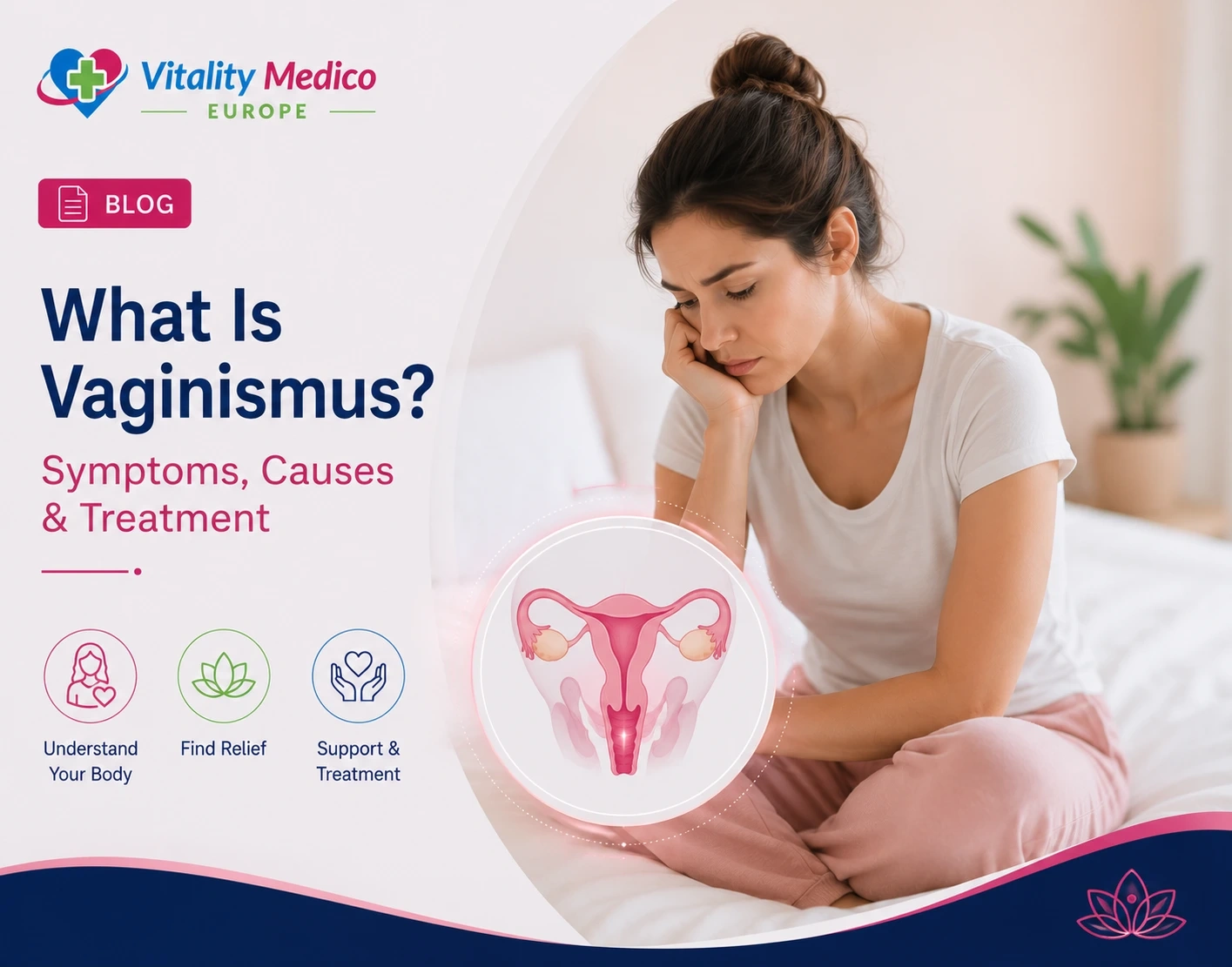
What Is Vaginismus? Symptoms, Causes & Treatment
Emily Carter · 8 July 2026 · 8 min read · 1,067 views
Medically Reviewed by: Pelvic Health Physiotherapist
Vaginismus is a condition that causes the muscles around the vaginal opening to tighten involuntarily whenever penetration is attempted or anticipated. This muscle tightening can make inserting a tampon, having sexual intercourse, using a vaginal dilator, or even having a pelvic examination uncomfortable, painful, or sometimes impossible.
Although vaginismus can be distressing, it is more common than many people realise and, most importantly, it is treatable. With the right support, many people are able to reduce pain, regain confidence, and enjoy comfortable intimacy again.
In this guide, we'll explain what vaginismus is, its symptoms, possible causes, how it's diagnosed, and the treatment options that can help.
If you're beginning treatment for vaginismus, explore our Medical Grade Silicone Vaginal Dilators and Pelvic Floor Therapy Products.
Vaginismus at a Glance
- Causes involuntary tightening of the pelvic floor muscles.
- Can make penetration painful or impossible.
- May affect sexual intercourse, tampon use, and pelvic examinations.
- Can occur at any age.
- Often improves with pelvic floor physiotherapy and vaginal dilator therapy.
- Recovery is possible with the right treatment plan.
What Is Vaginismus?
Vaginismus is a condition where the pelvic floor muscles contract automatically whenever penetration is attempted or even anticipated. Unlike voluntary muscle tightening, these contractions happen without conscious control.
The muscle spasm is a protective response. For some people it develops after a painful experience, while for others it occurs without any obvious trigger.
The condition may make penetration difficult or impossible and can affect both physical comfort and emotional wellbeing.
What Are the Symptoms?
Symptoms vary from person to person. Some people experience mild discomfort, while others have severe pain that prevents any form of penetration.
Common symptoms include:
- Pain during sexual intercourse
- Burning or stinging pain
- Tightness around the vaginal opening
- Difficulty inserting tampons
- Difficulty using vaginal dilators
- Pain during pelvic examinations
- Fear or anxiety before penetration
- Muscle spasms around the vagina
- Avoiding intimacy because of pain
Symptoms may begin during the first attempt at penetration or develop later in life after years without any problems.
Is Vaginismus the Same as Pain During Sex?
Not exactly.
Pain during sex, also called dyspareunia, describes discomfort experienced during or after intercourse. Vaginismus is one possible cause of painful sex, but it is not the only one.
Other conditions such as pelvic floor dysfunction, endometriosis, vaginal dryness, vulvodynia, or infections may also cause pain during intercourse.
A proper assessment helps identify the underlying cause so the most appropriate treatment can begin.
What Causes Vaginismus?
There isn't one single cause of vaginismus. Instead, several physical and emotional factors may contribute.
Common causes include:
- Fear of pain during penetration
- Previous painful sexual experiences
- Pelvic floor muscle dysfunction
- Anxiety surrounding intimacy
- Previous pelvic surgery
- Childbirth-related trauma
- Sexual trauma or abuse
- Chronic pelvic pain
- Vaginal infections
- Hormonal changes
- Relationship stress
- Negative experiences during pelvic examinations
Some people develop vaginismus without any identifiable cause. This does not make the condition any less real, and it does not mean recovery isn't possible.
The Role of the Pelvic Floor
The pelvic floor is a group of muscles that supports the bladder, bowel, and reproductive organs.
Normally these muscles relax during penetration.
In people with vaginismus, the muscles remain tight or contract suddenly, making penetration painful.
Over time this can create a cycle:
Fear of pain → muscle tightening → painful penetration → increased fear → more muscle tightening.
Breaking this cycle is an important part of treatment.
Can Vaginismus Affect Relationships?
Yes.
Vaginismus affects much more than physical comfort.
Many people experience:
- Reduced confidence
- Anxiety before intimacy
- Feelings of guilt or frustration
- Relationship stress
- Avoiding sexual activity
- Difficulty trying to conceive
Open communication and professional support can make a significant difference for both individuals and their partners.
How Is Vaginismus Diagnosed?
Diagnosis usually begins with a conversation about your symptoms and medical history.
A healthcare professional may ask:
- When did the symptoms begin?
- Does pain occur every time or only sometimes?
- Have you had previous pelvic surgery or childbirth?
- Do tampons cause discomfort?
- Have you experienced pelvic pain before?
If appropriate, a gentle pelvic examination may be offered to rule out other possible causes of pain. Your healthcare provider should explain each step and ensure you feel comfortable throughout the examination.
How Is Vaginismus Treated?
The good news is that vaginismus is highly treatable, and many people notice significant improvement with the right combination of therapies. Treatment is personalised because everyone's experience is different, and the goal is to reduce pain, relax the pelvic floor muscles, and gradually rebuild confidence.
Many healthcare professionals recommend combining physical treatment with education and emotional support to achieve the best results.
Pelvic Floor Physiotherapy
Pelvic floor physiotherapy is often one of the first treatments recommended for vaginismus.
A pelvic health physiotherapist will assess how your pelvic floor muscles are working and identify areas of tightness, muscle guarding, or trigger points that may be contributing to pain.
Treatment may include:
- Pelvic floor muscle relaxation techniques
- Gentle stretching exercises
- Breathing exercises
- Trigger point release
- Manual therapy where appropriate
- Education about pelvic floor function
- Home exercise programmes
Rather than strengthening the muscles, the initial goal is usually to help them relax and work normally again.
Many organisations, including the International Continence Society (ICS) and the American Physical Therapy Association (APTA), recognise pelvic floor rehabilitation as an important part of conservative treatment for many pelvic floor conditions.
Vaginal Dilator Therapy
Vaginal dilators are commonly used alongside pelvic floor physiotherapy to help reduce discomfort with penetration.
Dilators are smooth, tube-shaped devices available in gradually increasing sizes. Treatment usually begins with the smallest size and progresses slowly as the muscles become more relaxed.
When used under the guidance of a healthcare professional, vaginal dilator therapy may help:
- Reduce fear of penetration
- Improve pelvic floor muscle relaxation
- Increase comfort during intercourse
- Make pelvic examinations easier
- Build confidence gradually
Progress varies from person to person, so it's important not to rush the process.
Can a Pelvic Floor Wand Help?
Some people with vaginismus also develop trigger points or ongoing muscle tension within the pelvic floor.
In these situations, a pelvic floor wand may be recommended by a pelvic health physiotherapist as part of a personalised treatment programme.
Pelvic floor wands are designed to help release tight muscles gently and improve muscle relaxation when used correctly.
Looking After Your Emotional Wellbeing
Vaginismus affects more than the body. It can also influence confidence, relationships, and emotional wellbeing.
For some people, talking with a psychologist, counsellor, or certified sex therapist may help address anxiety, fear, or previous experiences that contribute to muscle tension.
Helpful strategies may include:
- Mindfulness and relaxation techniques
- Breathing exercises
- Open communication with your partner
- Gradual exposure therapy when appropriate
- Stress management
Healing is often easier when both the physical and emotional aspects of the condition are addressed together.
How Long Does Recovery Take?
Recovery is different for everyone.
Some people notice improvements within a few weeks, while others require several months of consistent treatment.
Factors that influence recovery include:
- The severity of symptoms
- How long symptoms have been present
- The underlying cause
- Consistency with treatment
- Individual muscle function
It's important to remember that recovery is usually gradual. Small improvements over time often lead to significant long-term progress.
Frequently Asked Questions
Can vaginismus go away on its own?
In some cases symptoms may improve, but vaginismus often requires treatment. Seeking help early usually leads to better outcomes.
Can vaginismus be cured?
Many people experience significant improvement or complete resolution of symptoms with the right combination of pelvic floor physiotherapy, vaginal dilator therapy, education, and emotional support.
Are vaginal dilators safe?
Yes. When recommended by a healthcare professional and used correctly, vaginal dilators are considered a safe and effective treatment for many people with vaginismus.
Can I still have a pelvic examination if I have vaginismus?
Yes. Let your healthcare provider know about your symptoms beforehand. They can explain each step, work at your pace, and make adjustments to help you feel as comfortable as possible.
Can stress make vaginismus worse?
Yes. Stress and anxiety may increase pelvic floor muscle tension, which can make symptoms more noticeable for some people.
Can pelvic floor therapy help?
For many people, yes. Pelvic floor physiotherapy is considered one of the main conservative treatments for vaginismus and may help reduce muscle tension, improve flexibility, and make penetration more comfortable.
Final Thoughts
Living with vaginismus can feel overwhelming, but it's important to remember that you are not alone, and effective treatment is available. Many people recover with a combination of pelvic floor physiotherapy, vaginal dilator therapy, education, and emotional support.
The first step is often simply talking to a healthcare professional. An accurate diagnosis can help you understand what's causing your symptoms and create a treatment plan that suits your individual needs.
Recovery takes time, but with patience and the right guidance, many people regain comfort, confidence, and enjoyable intimacy.
Related Articles
You may also find these guides helpful:
- Why Does Sex Hurt? Common Causes of Pain During Sex & Treatment
- How to Use a Vaginal Dilator: Step-by-Step Guide
- Medical Grade Silicone Pelvic Wand vs TheraWand LA-Wand
- What Is Pelvic Floor Dysfunction? Signs, Symptoms & Treatment
- How Trauma and Pain Can Affect Your Sex Life: Causes, Recovery & Support
Suggestions & Comments
Share your thoughts about this article. Comments are reviewed before they appear publicly.
Loading comments…