Blog
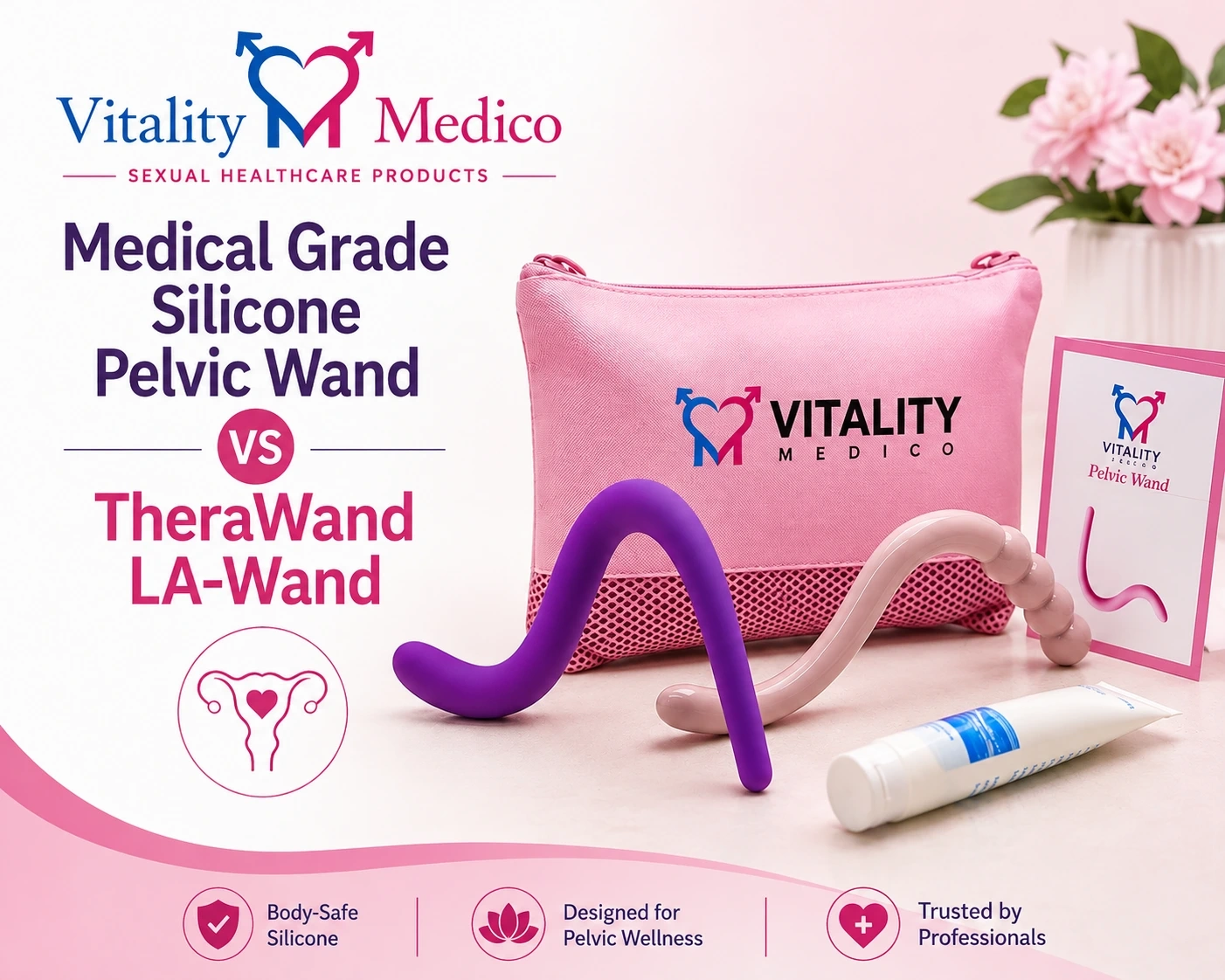
Medical Grade Silicone Pelvic Wand vs TheraWand LA-Wand
Emily Carter · 1 June 2026 · 6 min read · 7,341 views
Choosing the right pelvic floor wand can make home therapy more comfortable and help you follow your pelvic floor treatment plan with confidence. Two options that are often considered are a medical-grade silicone pelvic wand and the TheraWand LA-Wand.
Both are designed to support pelvic floor therapy by helping users apply gentle pressure to tight muscles and trigger points. However, they differ in material, feel, flexibility, and user preference.
This guide compares the two to help you understand their features and decide which option may best suit your needs.
Quick Comparison
| Feature | Medical Grade Silicone Pelvic Wand | TheraWand LA-Wand |
|---|---|---|
| Material | Medical-grade silicone with supportive core | Acrylic (rigid plastic) |
| Feel | Soft outer surface | Firm, smooth surface |
| Comfort | Cushioned feel against sensitive tissue | Firm pressure with little flexibility |
| Cleaning | Wash with warm water and mild soap | Wash with warm water and mild soap |
| Lubricant | Water-based lubricant recommended | Water-based lubricant recommended |
| Suitable for | Beginners and experienced users | Users comfortable with a rigid wand |
| Professional Guidance | Recommended | Recommended |
What Is a Pelvic Floor Wand?
A pelvic floor wand is a specially designed therapeutic device used to reach muscles inside the pelvis that may be difficult to access with your fingers. Pelvic health professionals sometimes recommend these tools as part of a personalised home therapy programme to help reduce muscle tension and improve pelvic floor mobility.
Pelvic floor wands are not intended to replace professional care but may complement treatment when used correctly.
Material Comparison
One of the biggest differences between these products is the material.
A medical-grade silicone pelvic wand has a soft silicone exterior with a supportive inner core. The smooth silicone surface feels gentle against sensitive tissues while still allowing controlled pressure during therapy.
The TheraWand LA-Wand has a rigid acrylic construction. Because it does not compress, some users prefer its firm feel when applying pressure to trigger points.
Neither material is inherently better. The right choice often depends on comfort, sensitivity, and personal preference.
Comfort During Therapy
Comfort is an important consideration, especially for beginners or anyone experiencing pelvic pain.
Many users find silicone more comfortable because the surface has a softer feel and may reduce anxiety during insertion.
A rigid acrylic wand provides direct pressure without any cushioning. Some experienced users appreciate this firmer feedback, particularly if it has been recommended by their pelvic health professional.
Design and Ease of Use
Both pelvic wands feature curved designs that help reach different pelvic floor muscles.
A well designed handle should provide a secure grip while allowing controlled movements during therapy.
Whichever product you choose, using slow, gentle movements and following professional guidance is more important than the material itself.
Cleaning and Maintenance
Both products should be cleaned before and after every session.
Wash the wand using warm water and mild, fragrance free soap before drying it with a clean towel.
Store it in a clean, dry place away from direct sunlight and excessive heat.
Always inspect the wand before use and replace it if it becomes damaged.
Which Pelvic Wand May Be Right for You?
A medical grade silicone pelvic wand may be suitable if you:
-
Prefer a softer surface
-
Are new to pelvic floor therapy
-
Have sensitive tissues
-
Want a body safe silicone design
-
Prefer a slightly cushioned feel
The TheraWand LA-Wand may be suitable if you:
-
Prefer a rigid therapy tool
-
Have previously used pelvic floor wands
-
Have been advised by your healthcare professional to use a firm acrylic device
Ultimately, the most appropriate choice depends on your individual treatment plan and the recommendations of your pelvic health physiotherapist.
Important Safety Advice
Regardless of which pelvic wand you use:
-
Always use a water-based lubricant.
-
Never force insertion.
-
Stop if you experience severe pain.
-
Clean the wand before and after every use.
-
Follow the instructions provided by your healthcare professional.
-
Do not use the wand if you have an active infection or unexplained bleeding unless advised by a clinician.
Frequently Asked Questions
Is a silicone pelvic wand better than an acrylic pelvic wand?
Neither is universally better. Silicone offers a softer feel, while acrylic provides firmer pressure. The best choice depends on your comfort level and treatment goals.
Can beginners use either type?
Yes. Beginners can use either option, although many people find a soft medical grade silicone wand more comfortable when starting therapy.
Which type is easier to clean?
Both are easy to clean with warm water and mild soap when cared for according to the manufacturer's instructions.
Do I need lubricant?
Yes. A water-based lubricant is recommended for both silicone and acrylic pelvic wands to improve comfort during use.
Should I use a pelvic wand without professional advice?
It is best to receive guidance from a pelvic health physiotherapist or another qualified healthcare professional before beginning internal pelvic floor therapy.
Final Thoughts
Both a medical-grade silicone pelvic wand and the TheraWand LA-Wand are designed to support pelvic floor therapy, but they offer different experiences.
If comfort and a softer feel are your priorities, a medical grade silicone pelvic wand may be a suitable choice. If you prefer a firm, rigid therapy tool and it aligns with your healthcare professional's recommendations, the TheraWand LA-Wand may also be appropriate.
The most important factor is choosing a high quality product and using it as part of a personalised pelvic floor treatment plan. Regular guidance from a qualified pelvic health professional can help ensure therapy is both safe and effective.
Professional Guidance
Pelvic floor therapy should always be tailored to your individual needs. If you are unsure whether a pelvic floor wand is suitable for you, speak with a qualified pelvic health physiotherapist or healthcare professional before beginning treatment.
Guidance from organisations such as the International Pelvic Pain Society, and International Continence Society highlights the importance of an individual assessment and a personalised treatment plan for people experiencing pelvic floor dysfunction or chronic pelvic pain.
A pelvic floor wand is typically used as part of a broader pelvic rehabilitation programme, which may also include pelvic floor physiotherapy, relaxation techniques, breathing exercises, stretching, and lifestyle changes.
Suggestions & Comments
Share your thoughts about this article. Comments are reviewed before they appear publicly.
Loading comments…