Blog
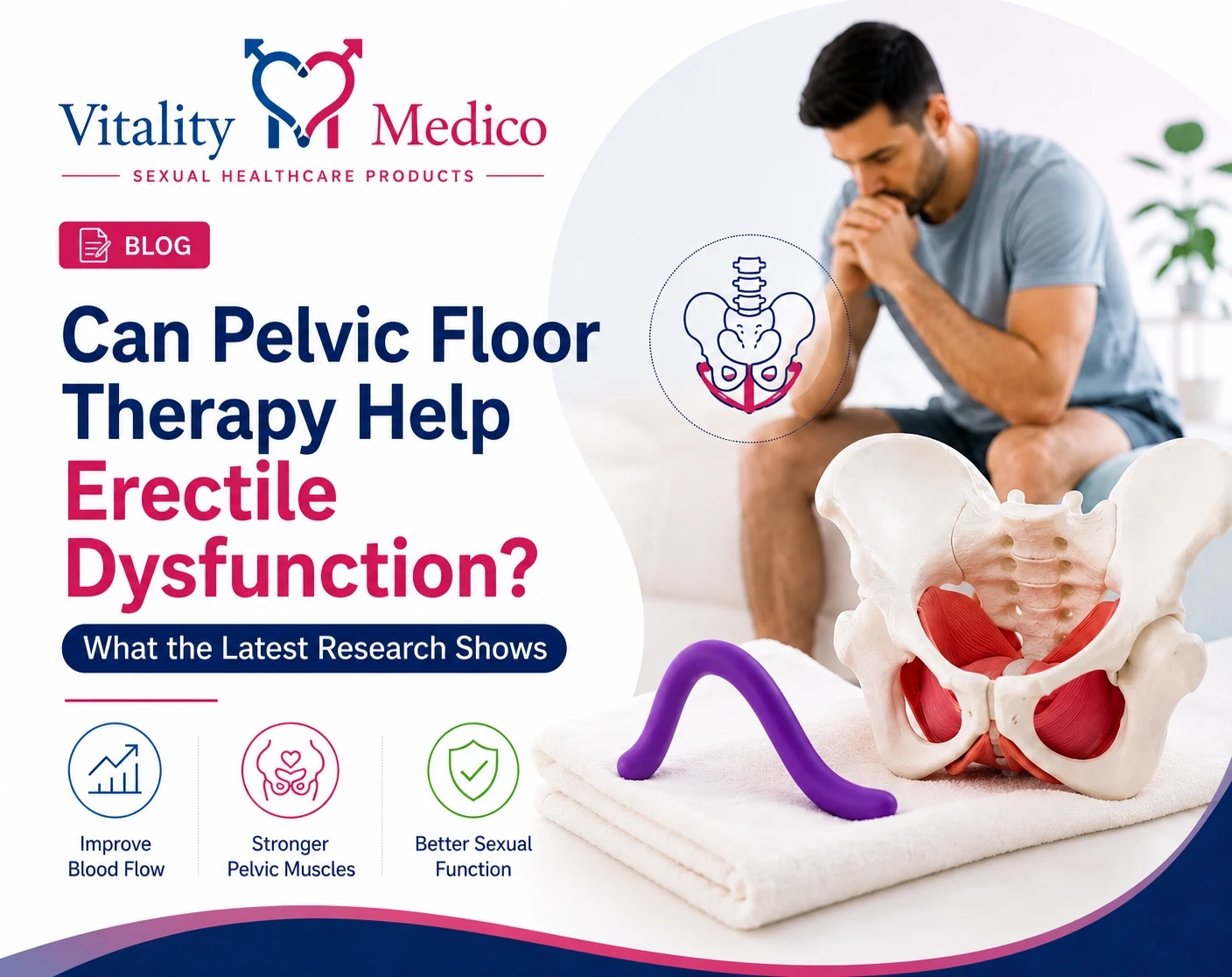
Can Pelvic Floor Therapy Help Erectile Dysfunction? What the Latest Research Shows
Dr. James Bennett · 1 July 2026 · 8 min read · 2,541 views
Erectile dysfunction (ED) affects more than 150 million men worldwide, and the number is expected to increase as the population ages. Although medications such as sildenafil and tadalafil are well known treatments, they are not the only option. For some men, improving the function of the pelvic floor muscles may also help improve erections and overall sexual health.
Pelvic floor therapy has become an increasingly recognised conservative treatment for erectile dysfunction, particularly when ED is associated with pelvic floor muscle weakness, prostate surgery, or bladder control problems. Research suggests that strengthening and improving the coordination of these muscles may enhance erectile function in selected men.
If you're looking for a non-surgical approach to erectile dysfunction, conservative treatment options may include pelvic floor exercises, lifestyle changes, counselling, oral medication, and Vacuum Erection Devices, depending on the underlying cause.
If you're exploring non-surgical treatment for ED, discover our Medical-Grade Vacuum Erection Devices.
Pelvic Floor Therapy at a Glance
-
May improve erectile function in selected men
-
Supports the muscles involved in maintaining erections
-
Can improve bladder control after prostate surgery
-
Often combined with lifestyle changes or other ED treatments
-
Recommended by many pelvic health physiotherapists and urologists as part of a personalised treatment plan
What Is the Pelvic Floor?
The pelvic floor is a group of muscles and connective tissues that stretch across the base of the pelvis. These muscles support the bladder, bowel, and reproductive organs while helping control urination, bowel movements, and sexual function.
In men, healthy pelvic floor muscles contribute to erections by helping compress the veins that normally drain blood from the penis. This allows blood to remain within the erectile tissue for longer, helping maintain firmness during sexual activity.
How Is Erectile Dysfunction Connected to the Pelvic Floor?
Erectile dysfunction has many possible causes, including:
-
Reduced blood circulation
-
Diabetes
-
High blood pressure
-
High cholesterol
-
Obesity
-
Hormonal changes
-
Nerve injury
-
Pelvic surgery
-
Psychological stress
-
Pelvic floor muscle weakness
Not every man with erectile dysfunction has weak pelvic floor muscles. However, when muscle weakness or poor muscle coordination contributes to the problem, pelvic floor therapy may help improve symptoms.
What Does the Research Say?
Pelvic floor muscle training has been studied for many years as a conservative treatment for erectile dysfunction.
One of the best known studies, published in the British Journal of General Practice, found that many men with erectile dysfunction experienced significant improvement after completing a structured pelvic floor muscle training programme combined with lifestyle advice. Participants followed supervised exercises for approximately three months, and many reported improved erectile function compared with lifestyle advice alone.
Clinical guidance from the European Association of Urology (EAU) also recognises pelvic floor muscle exercises as a potential treatment option for selected men, particularly those recovering after prostate surgery or experiencing urinary incontinence alongside erectile dysfunction.
Although pelvic floor therapy is not a cure for every type of ED, current evidence suggests it may benefit men whose symptoms are related to pelvic floor muscle dysfunction or reduced pelvic muscle strength.
Many specialists now recommend pelvic floor therapy as part of a comprehensive treatment plan rather than relying solely on medication.
Who Benefits Most?
Research suggests pelvic floor therapy may be particularly helpful for:
-
Men with mild to moderate erectile dysfunction
-
Men recovering after prostate surgery
-
Men with urinary leakage following prostate treatment
-
Men with pelvic floor muscle weakness
-
Men seeking non-drug treatment options
A healthcare professional can assess whether pelvic floor dysfunction is contributing to your symptoms and recommend the most appropriate treatment.
Treatment Comparison
| Treatment | Best For | Prescription Required |
|---|---|---|
| Pelvic Floor Therapy | Pelvic muscle weakness | No |
| Vacuum Erection Device | Blood flow support | No |
| PDE5 Medication | Vascular erectile dysfunction | Usually Yes |
| Psychological Counselling | Anxiety or stress related ED | No |
Many men benefit from combining treatments rather than relying on a single option.
How Can Pelvic Floor Therapy Help?
Pelvic floor therapy focuses on improving muscle strength, flexibility, and coordination.
Potential benefits include:
-
Improved pelvic muscle strength
-
Better support for erectile function
-
Improved bladder control
-
Better recovery following prostate surgery
-
Increased confidence during intimacy
-
Improved awareness of pelvic muscle function
Treatment is personalised and may include pelvic floor exercises, breathing techniques, relaxation strategies, posture advice, and lifestyle changes.
For some men, combining pelvic floor therapy with a Vacuum Erection Device may provide additional support by improving both muscle function and blood flow.
Pelvic Floor Exercises for Erectile Dysfunction
Pelvic floor exercises, often called Kegel exercises for men, are designed to strengthen the muscles that support the bladder and bowel while also contributing to erectile function. When these muscles become stronger and work more efficiently, some men notice improvements in erection quality, bladder control, and sexual confidence.
The goal is not to perform as many contractions as possible but to exercise the muscles correctly. A pelvic health physiotherapist can teach the proper technique and create a programme based on your individual needs.
Consistency is important. Most supervised programmes recommend regular exercises over several weeks, and improvements are usually gradual rather than immediate.
Can Vacuum Erection Devices Be Used Alongside Pelvic Floor Therapy?
Yes. Many healthcare professionals recommend combining treatments when appropriate.
Pelvic floor exercises help improve muscle strength and coordination, while a Vacuum Erection Device helps increase blood flow to the penis by creating gentle negative pressure. Using both approaches may provide additional benefits for some men, particularly during recovery after prostate surgery or when erectile dysfunction has more than one contributing factor.
Lifestyle Changes That May Improve Erectile Function
Pelvic floor therapy is often most effective when combined with healthy lifestyle habits.
Simple changes that may help include:
-
Maintaining a healthy weight
-
Exercising regularly
-
Stopping smoking
-
Limiting alcohol consumption
-
Managing stress
-
Getting enough sleep
-
Controlling diabetes and high blood pressure
-
Eating a balanced, heart healthy diet
Because erections rely on healthy blood vessels, improving cardiovascular health often supports better erectile function as well.
When Should You Seek Medical Advice?
Pelvic floor exercises are safe for most men, but professional assessment is recommended if you have:
-
Sudden erectile dysfunction without an obvious cause
-
Blood in the urine
-
Severe pelvic pain
-
Painful erections
-
Recent pelvic or prostate surgery
-
Persistent urinary leakage
-
Numbness around the pelvis or genitals
A healthcare professional can identify the underlying cause of your symptoms and recommend the most appropriate treatment plan.
Frequently Asked Questions
Can pelvic floor therapy cure erectile dysfunction?
Not always. Pelvic floor therapy may improve erectile function in men whose symptoms are linked to pelvic floor muscle weakness or poor muscle coordination. The best treatment depends on the underlying cause of ED.
How long does pelvic floor therapy take to work?
Many men notice improvements after 8 to 12 weeks of consistent exercise, although recovery varies from person to person.
Can older men benefit from pelvic floor exercises?
Yes. Men of all ages may benefit if pelvic floor muscle weakness contributes to their symptoms.
Can I combine pelvic floor therapy with ED medication?
Yes. Pelvic floor therapy is often used alongside medications or vacuum erection devices as part of a personalised treatment plan.
Are Kegel exercises the same as pelvic floor therapy?
Kegel exercises are one part of pelvic floor therapy. A complete treatment programme may also include breathing techniques, posture advice, manual therapy, and lifestyle recommendations.
Can pelvic floor therapy help after prostate surgery?
Yes. Pelvic floor muscle training is commonly recommended after prostate surgery to improve bladder control and support recovery of sexual function.
Related Articles
Continue learning with our other guides:
-
Vacuum Erection Devices Explained: Do They Really Work?
-
Medical Grade Silicone Pelvic Wand vs TheraWand LA-Wand
Final Thoughts
Pelvic floor therapy is becoming an increasingly recognised part of conservative treatment for erectile dysfunction. Although it is not the right solution for every man, current research suggests it may improve erectile function, bladder control, and pelvic muscle strength in selected individuals, particularly when muscle weakness contributes to the problem.
The best results are often achieved through a personalised treatment plan that may include pelvic floor exercises, healthy lifestyle changes, medication when appropriate, and medical devices such as Vacuum Erection Devices.
If you're looking for a non-surgical approach to erectile dysfunction, speak with a qualified healthcare professional about whether pelvic floor therapy could be suitable for you.
Suggestions & Comments
Share your thoughts about this article. Comments are reviewed before they appear publicly.
Loading comments…